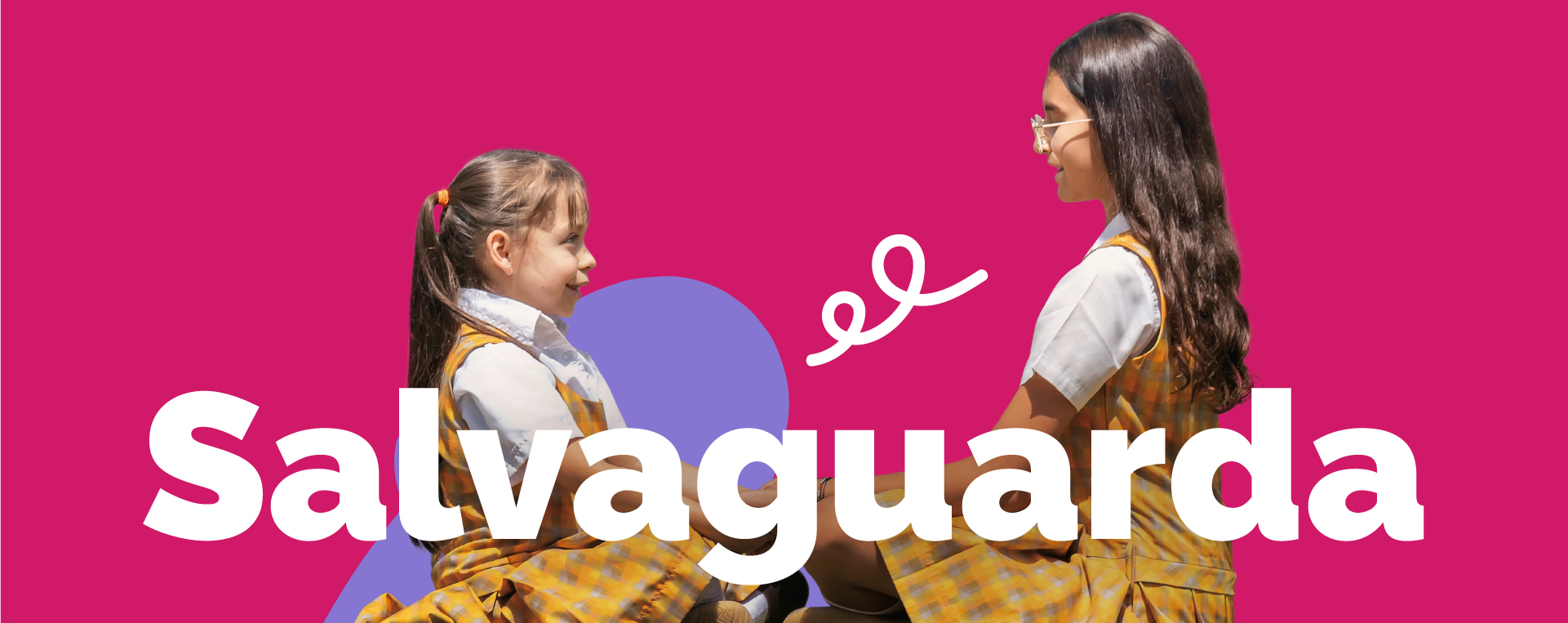
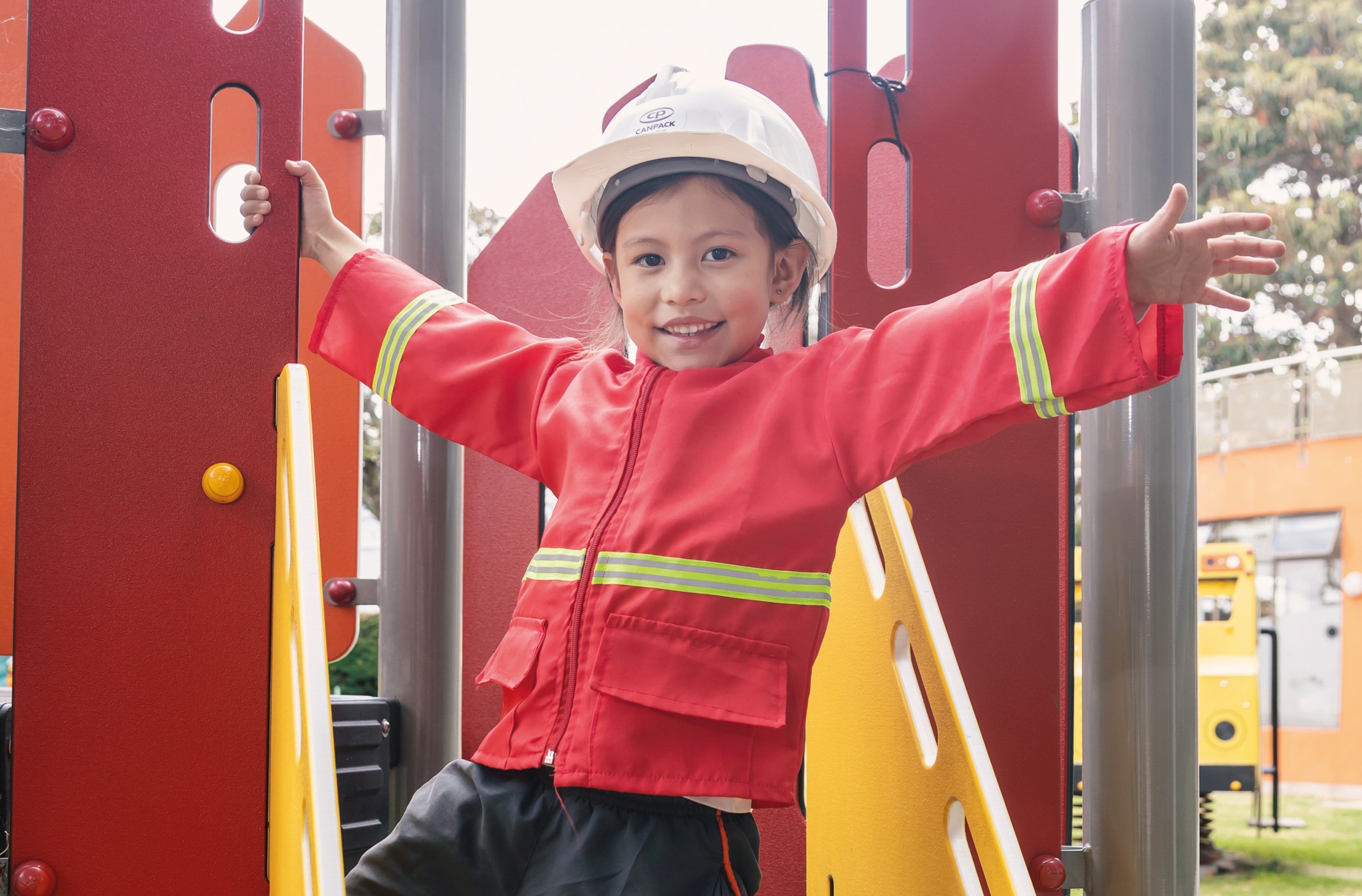
Our commitment is to safeguard and protect the well-being, physical, mental, and social health, and safety of our students by fostering an environment of open communication that is supportive and protective, focused on the continuous care and support of both students and school staff.
We’re here to help you.
If you know a student at our school who is experiencing abuse or going through a difficult situation and needs support, please do not hesitate to contact us.
What are we looking for with the Safeguarding programme?
Prevent
The deterioration of a child’s or young person’s health or development.
Securing
That they grow up in circumstances that provide safe and effective care.
Protect
Protect every child and adolescent from abuse.
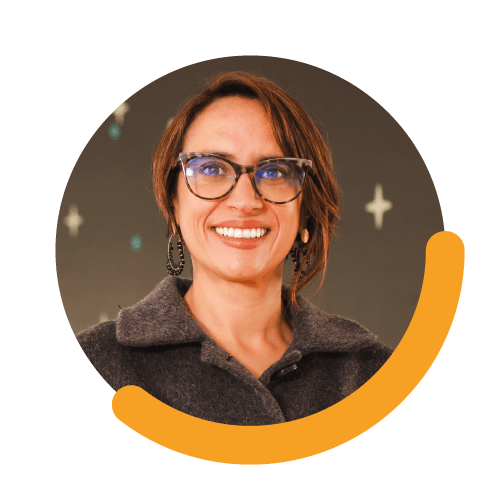
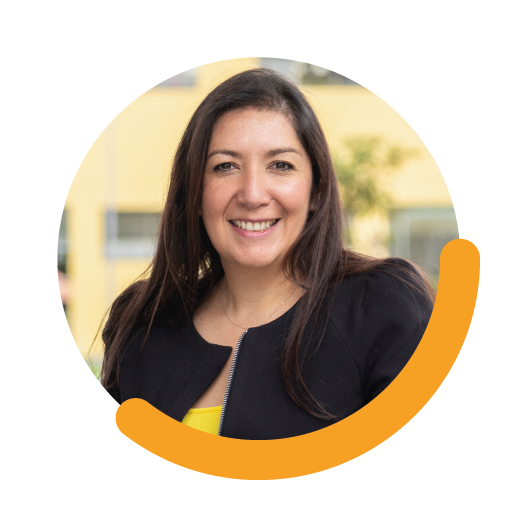
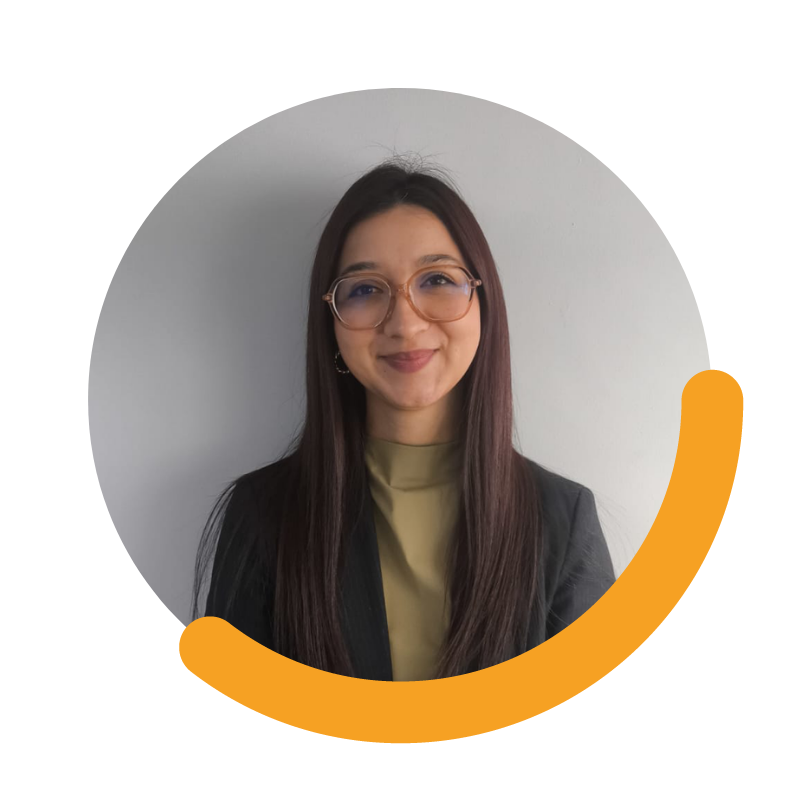
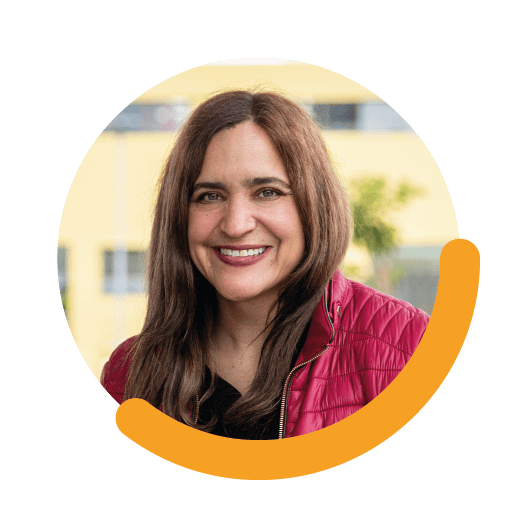
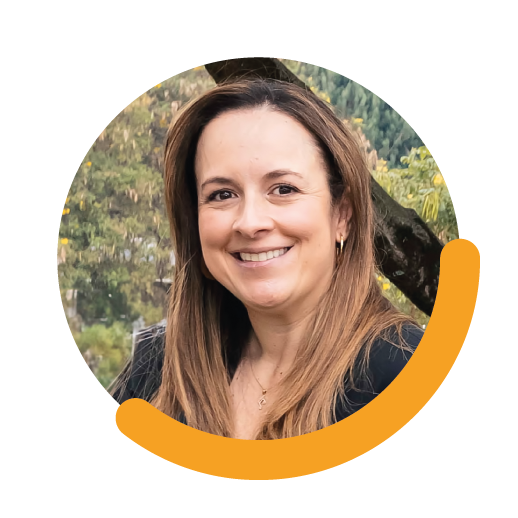
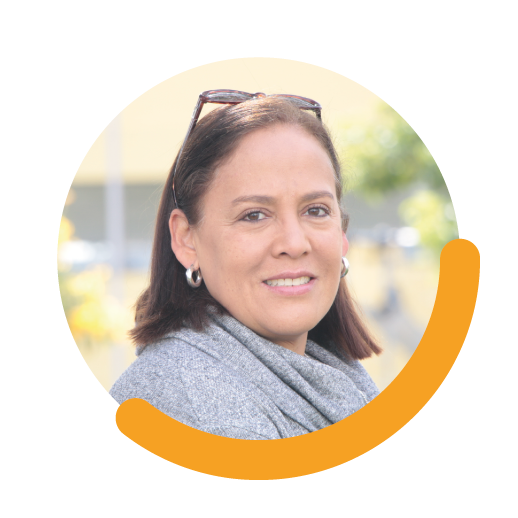
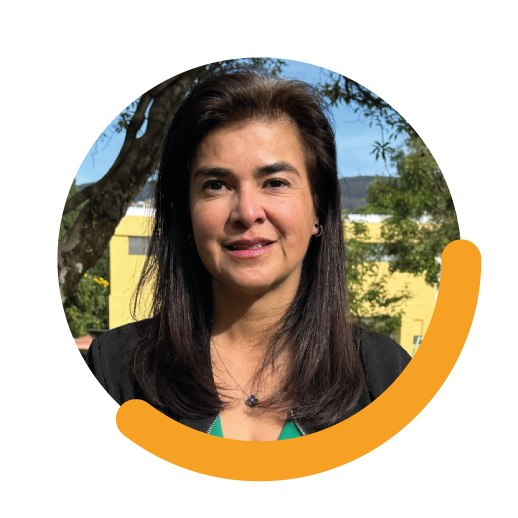
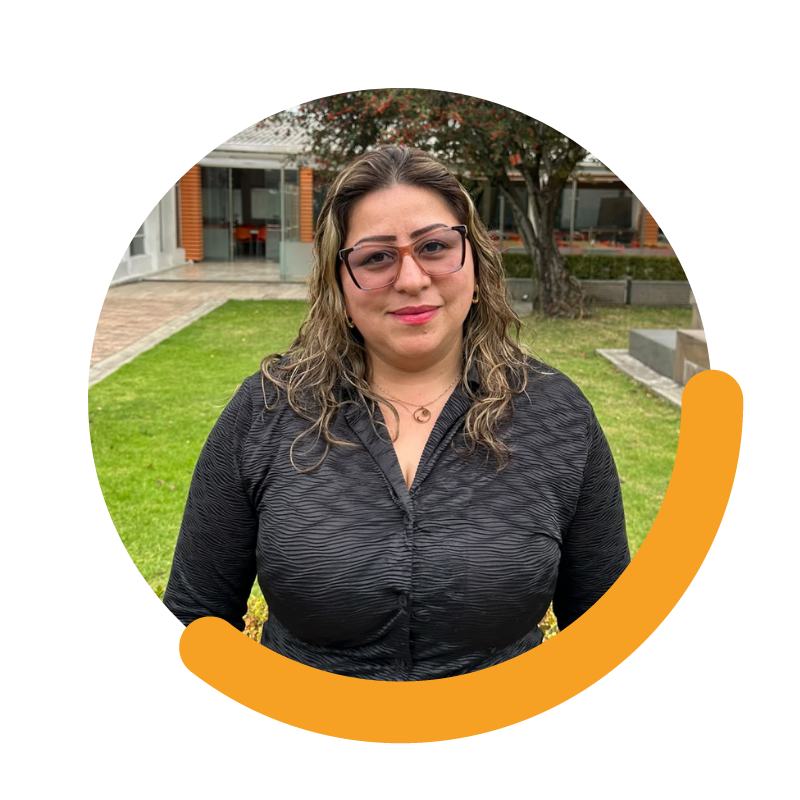
Our Safeguarding Committee
GABRIELA CASANOVA
Headmistress
MARCELA VÁSQUEZ
Coordinator of student life, safeguarding and wellbeing
PAULA PINEDA
DDSL Preschool
LUZ HELENA RIVEROS
DDSL Primary
ANDREA RODRÍGUEZ
DDSL Middle School
MARIA ALEJANDRA HAYECK
DDSL High School
BIBIANA GÁFARO
SENCO – Special education needs coordinator
MARIA CRISTINA AMÉZQUITA
PSHE
MARIA YANETH PASTRANA
EVC – Educational Visits Coordinator
Policies present in the Safeguard System
Safeguarding and Child Protection Policy
To guarantee a secure learning environment by preventing child abuse (physical, emotional, sexual, or neglect) and immediately activating legal and statutory reporting channels upon identification.
To establish mandatory professional boundaries, as well as permitted and prohibited practices, for all school personnel (faculty, administrative staff, and third-party vendors) in their daily interaction with students.
To regulate the use of digital devices and institutional networks to prevent online risks, such as cyberbullying, grooming, or exposure to inappropriate material.
To regulate necessary physical assistance (such as changing clothes, hygiene, or restroom support) for preschool students or those with special educational needs, strictly protecting their modesty, privacy, and the professional integrity of our staff.
To promote the social-emotional balance of our students and implement early intervention for self-harm, depression, severe anxiety, or eating disorders.
To monitor and control unjustified school absenteeism as a critical initial indicator of potential family issues, parental neglect, or school drop-out risks.
Inclusion and Special Educational Needs and Disabilities (SEND) Policy
To ensure educational equity, Universal Design for Learning (UDL), and necessary reasonable adjustments for students with Special Educational Needs and Disabilities (SEND).
Policy for the Prevention and Management of Restricted Substance Use, Possession, and Carrying
To eradicate the use of alcohol, tobacco, vapes, or psychoactive substances on campus or during institutional events, prioritizing public health and rehabilitation support.
Protocol for Supporting Diverse Gender Identities and Sexual Orientations
To guarantee a school environment free from discrimination, homophobia, or transphobia, validating the right to personal identity and free development.
To systemically address situations involving harassment, social exclusion, or repeated physical/psychological aggression, in alignment with Colombia’s School Coexistence Law 1620.
To ensure no student is left without adult supervision during recesses, lesson transitions, or school bus routes, and to define critical search actions in the event of an unaccounted absence.
To detect and intervene early in potential processes of violent ideological or religious indoctrination and radicalization that jeopardize collective safety.